
The Last Village: Vakıflı
Vakıflı, the last Armenian village in Turkey, is a place where the local Armenian dialect, Musa Ler parpar, is still spoken and ancient customs are preserved. We visited in the first week of April with our friend Arican. While we initially intended to visit as tourists, we were also considering conducting research. When we began the Panavor project, our goal was to interview people in Istanbul to gather information regarding culinary memory, followed by online interviews with Armenians in the diaspora. However, during the course of our study, we had the opportunity to visit Vakıflı and conduct in-person interviews. We had no idea that a short, two-day visit would leave such a profound impression on us.
Entering the Village
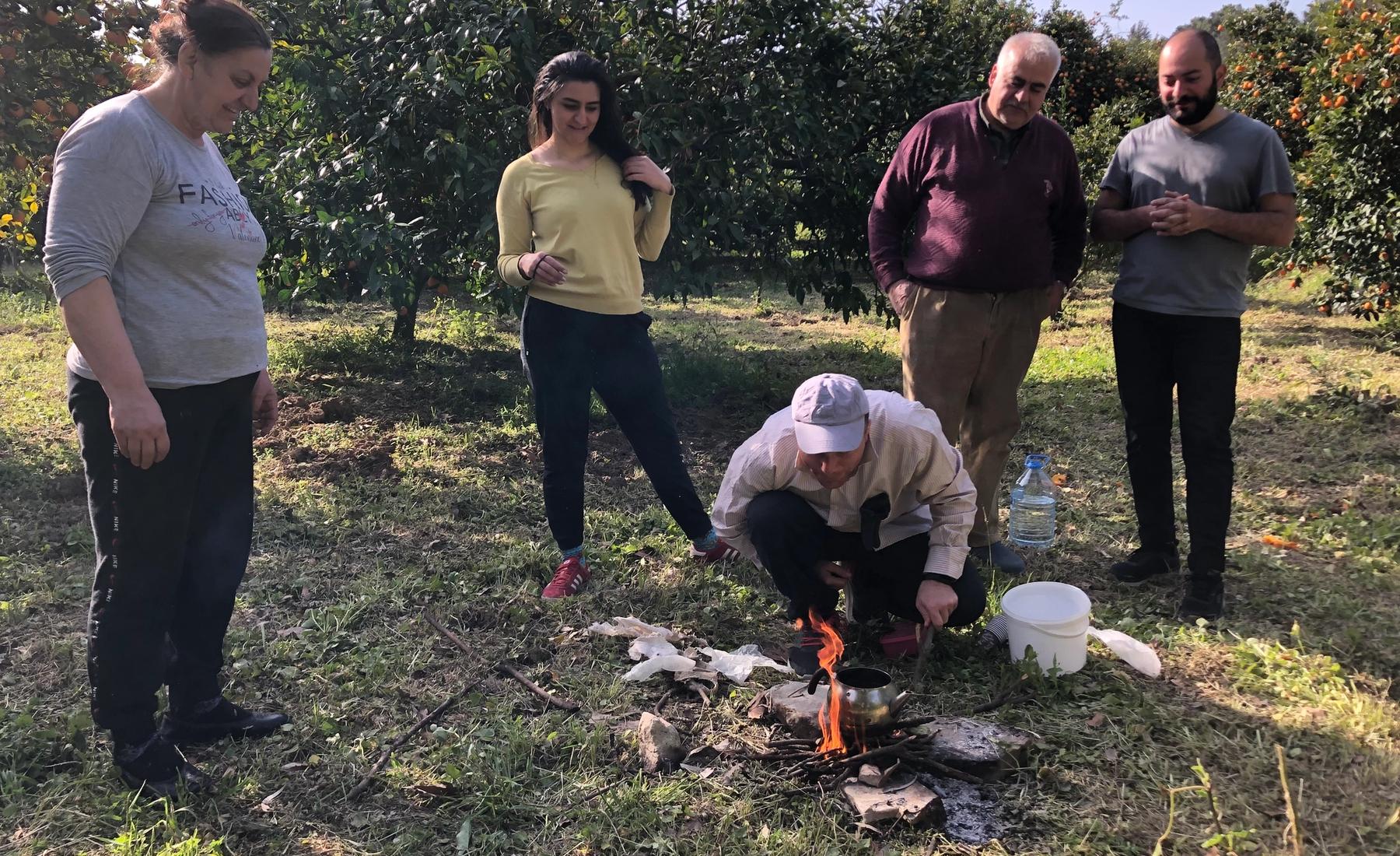
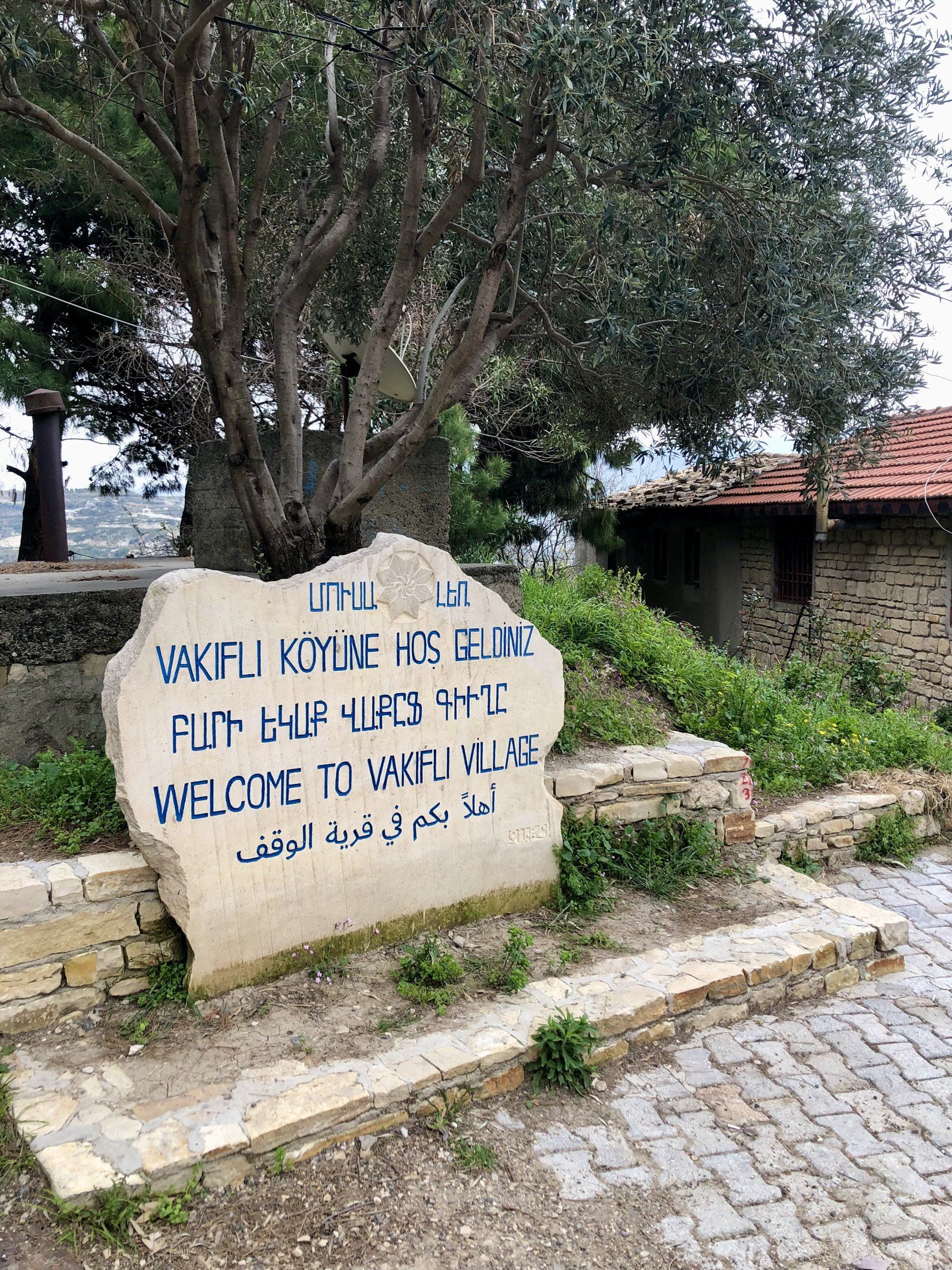
When you enter, you are greeted on your right by an inscription: "Welcome to Musa Ler, Vakıflı Village," written in four languages. Reading an inscription in Armenian letters outside of Istanbul felt like discovering something once lost. Just ahead of the stone marker lies the village coffee house, where old men play backgammon. We immediately approached them and said, "Parev." Saying parev to a stranger acts like a secret code or a silent contract; everyone we greeted understood it instantly. We quickly connected, sharing long conversations about our origins, our purpose, and our backgrounds. These dialogues occurred in the coffee house, along the sloped village roads, and in the garden of the hostel where we stayed. The majority of the residents have deep roots in Vakıflı, though we also met brides from Sasun and a family who had fled the Syrian Civil War. We stayed at the hostel directly to the right of the church—a focal point where locals frequently stopped by throughout the day.
The Scent of Fruit Trees
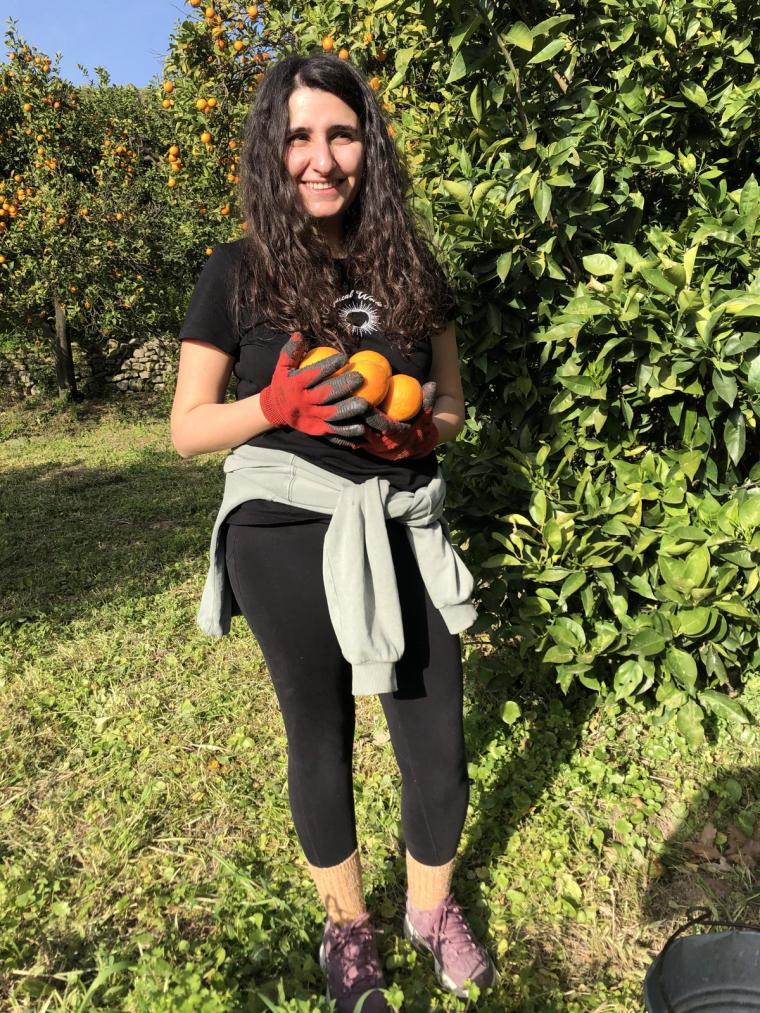
Vakıflı is a place of lush greenery, the sound of running water, and the omnipresent scent of oranges and lemons. Raised in Istanbul, we had grown distant from nature; in Vakıflı, we realized how flavorless mass-produced fruit really is. When you are a guest in the village, the gardens are open to you. We plucked oranges and tangerines from nearly every tree we passed. We learned that while the varieties change, oranges are harvested almost year-round.
On our first day, we ate at the Musa Dagh Restaurant. Arman, one of the employees, struck up a lengthy conversation with us. The people of Vakıflı define hospitality: after dinner, Arman insisted on bringing us fruit. I expected liquor, but he returned with oranges. "These blood oranges are from the final harvest," he said. "Please, taste them." They were the best we had ever eaten.
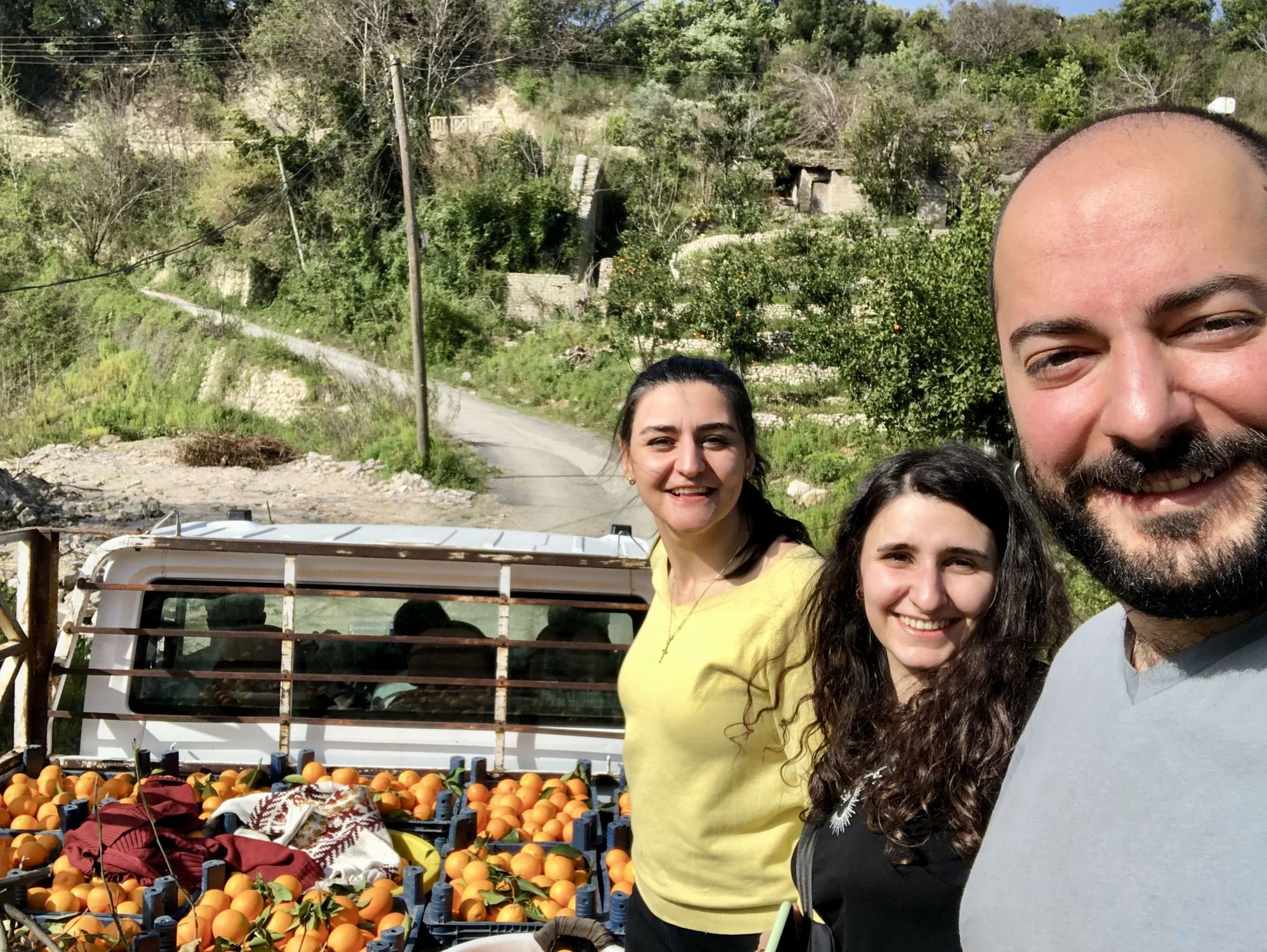
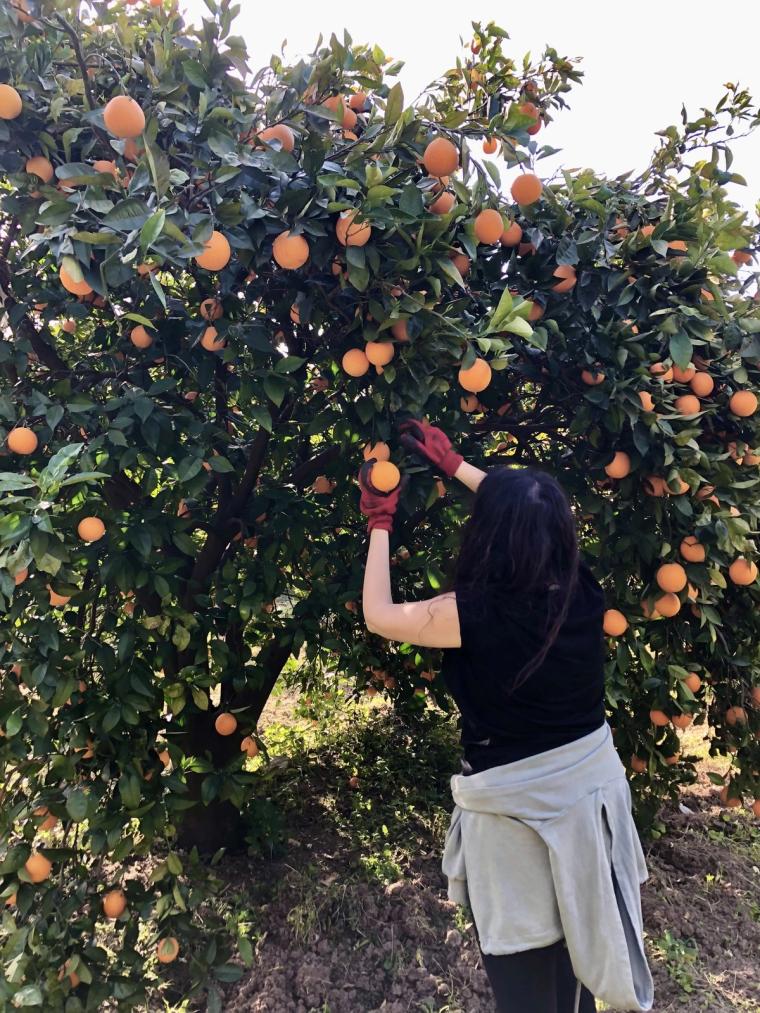
Later, we helped harvest in Eda Kuyrig’s garden. We learned that pickers from nearby villages rely on the harvest for their income. It requires a specific angle to pluck an orange; if pulled straight down, the "head" of the orange breaks off, rendering it unsuitable for the premium market, and those damaged fruits are then given to the workers as part of their daily wage.
The Women’s Cooperative
The two-story hostel features a large courtyard that serves as a venue for religious rituals, including the AsdvadzadzinFestival, as well as weddings and social gatherings. On our first morning, we met the kuyriks (sisters) in the hostel garden and learned about the village women’s cooperative. What began as the church’s women’s branch evolved into a formal cooperative that sells handmade goods—jams, salads, and more—across Turkey. We were invited to a cooperative event through Lora Baytar, where we witnessed their solidarity and heard them conversing in Musa Ler parpar. Although none of us have roots in Musa Ler, we felt entirely at home.
The Language of our Village: Musa Ler Parpar
I recall a childhood memory of my grandmother speaking Armenian on the phone with a cousin in Germany—a language she never spoke to us. When I grew older, I understood why: non-Muslim populations in Turkey have long faced discriminatory policies that suppress the use of mother tongues in public. Furthermore, many families in Istanbul stopped speaking Armenian at home in hopes that their children would master "proper" Turkish or school-taught Armenian.
When Hatay was annexed by Turkey, the Armenian schools in Vakıflı were closed. Yet, the language did not vanish. The villagers have worked tirelessly to preserve it, passing down songs, lullabies, and ancestral notebooks. They are committed to ensuring the next generation continues to speak Musa Ler Armenian.
Closing Remarks
We experienced more in six days than we ever imagined. Every evening, villagers welcomed us into their homes for dinner. We sang songs with Eda, Siranuş, Kohar, and Nergis, performed interviews entirely in Musa Ler Armenian, and enjoyed homemade raki. Talin Kuyrig consistently prepared morning coffee and offered us local jams and liqueurs. Traditions, rituals, and language remain vibrant in Vakıflı. While the future is never certain, these traditions will endure as long as there are people committed to keeping them alive.